Big Cats are just plain Fascinating! I have had a love of Big Cats ever since Toddlerhood.
(So as long as I can remember). They are Super-Efficient predators, very good at survival, and
just plain adorable. Even though they can kill and eat you (even though they generally do not hunt Humans).
Although some people do keep these animals as pets, it is not something that is recommended, nor is it for everybody.
Their diet requires large amounts of meat, and kibble will not work as a substitute. And, if they get hungry enough,
they will see their “owners” as “food”.
Big Cat Conservation Facts
Conservation status:
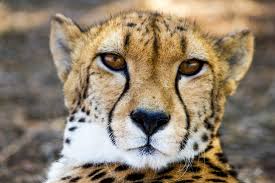
Cheetah: Listed as vulnerable on the IUCN's list of endangered species.
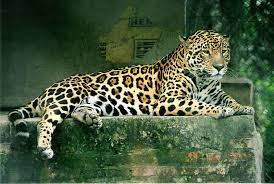
Jaguar: Threatened: Classified as near threatened by the IUCN.
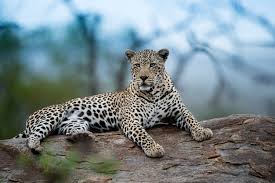
Leopard: Vulnerable species: Despite their wide range, leopard populations
have declined Significantly due to habitat loss and fragmentation, as well as human conflict.
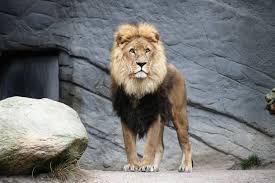
African Lion: Listed as Vulnerable by the IUCN, with Southern and Eastern African lions also listed as Vulnerable.
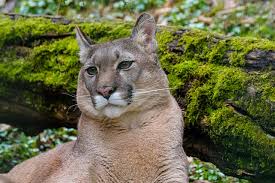
American Mountain Lion: Least Concern globally, but specific populations face threats from habitat loss and fragmentation.
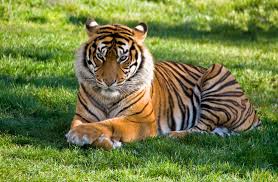
Tiger: All surviving tiger species are either endangered, critically endangered, or threatened with extinction, according to
CITES (Convention on International Trade in Endangered Species), with as few as 4,000 remaining.
Cheetah
Species Name: Acinonyx Jubatus
Lifespan: 10-12 years
Description: A slender, spotted cat with a lightweight build, long legs, and a long tail,
adapted for high speed. Key features include a tawny coat with solid black spots,
black "tear-like" streaks from the eyes to the mouth, and a tail that ends in black rings
and a bushy tuft. Their physique is well-suited for speed, but their non-retractable claws
are unique among big cats and are not used for climbing like other big cats.
Species Name: Panthera Onca
Lifespan: 12-15 years
Description: The largest cat in the Americas. With a stocky build, large head,
and a muscular body, Its coat is typically golden-brown with distinctive black spots
called rosettes. Though some jaguars are black (melanistic), with spots that are very
difficult to see. They are powerful predators known for a very strong bite, are agile swimmers,
and can climb trees.
Species Name: Panthera Pardus
Lifespan: 10-12 years
Description: Adaptable, muscular big cats with a distinctive yellow or golden coat
covered in black rosettes. They have long bodies, short legs, and a long tail that
aids in balance. Physical traits include a slender but powerful build, and their
coloration provides excellent camouflage. Their diet is opportunistic, and they are
solitary, nocturnal hunters that are also strong climbers.
Species Name: Panthera Leo Leo
Lifespan: 8-16 years; depending on gender
Description: Large, muscular cats with a short, tawny coat, a long tail with
a black tuft, and a broad head. Males are distinguished by a thick mane that can
vary in color, while females are smaller and lack a mane. Lion cubs are born with
faint spots that typically fade as they mature.
Species Name: Puma Concolor
Lifespan: 8-13 years
Description: A large, slender cat with tawny to grayish-brown fur, a lighter underside,
and a long, black-tipped tail. Adults can weigh between 70 and 170 pounds or more,
with males being significantly larger than females. These animals are powerful, with
large paws and hind legs for jumping, and are also known by names such as
cougar, puma, and panther.
Species Name: Panthera Tigris
Lifespan: 10-15 years
Description: Large, powerful cats with a distinctive reddish-orange coat and
black stripes that are unique to each individual.They have muscular bodies, powerful jaws,
sharp retractable claws, and are the largest members of the cat family. Their physical features
are adapted for hunting, and their coat provides camouflage for stalking prey in various habitats
like forests, grasslands, and swamps.